-

Tricolor Auto Group Files for Chapter 7 After Fraud Allegations; Lenders Face Major Losses
Tricolor Auto Group, a large subprime used-car lender and dealer based in Texas, has filed for Chapter 7 liquidation after listing between $1 billion and $10 billion in assets and liabilities and more than 25,000 creditors. The filing followed revelations that Fifth Third Bank uncovered alleged fraud tied to a roughly $200 million loan. Fifth
-

Proposal to Amend Rule 3002.1 Would Let Chapter 13 Debtors Seek Mid-Case Mortgage Status Reviews to Cure Postpetition Arrears
Proposed amendments to Federal Rule of Bankruptcy Procedure 3002.1 would give debtors and Chapter 13 trustees a new, optional way to check a mortgage claim’s status while a case is pending and — if needed — cure postpetition defaults before the plan closes. The change would authorize a mid-case motion for a full loan-status assessment,
-

Congress Weighs Higher Debt Limits in Chapter 13
Congress has returned from recess and the Senate is expected to consider an amendment that would significantly expand Chapter 13 eligibility. The proposal would replace the existing split limits of approximately $1.58 million in secured debt and $526,000 in unsecured debt with a single ceiling of $2.75 million. This change would matter most in high
-

A Welcome Step Toward Justice: New Bill Would Finally Make Student Loans Dischargeable in Bankruptcy
For decades, bankruptcy practitioners like myself have watched clients walk through our doors buried under student loan debt—only to discover that relief under the Bankruptcy Code is largely off-limits. The reason? An impossibly high legal standard requiring borrowers to prove “undue hardship” to discharge their student loans, a vague and outdated threshold that has turned
-

5 Myths About Bankruptcy Debunked
Bankruptcy is often misunderstood, and the myths surrounding it can create unnecessary fear and confusion. If you’re considering bankruptcy, it’s important to separate fact from fiction. Let’s debunk five common myths about bankruptcy. 1. Bankruptcy Means You’ll Lose Everything Many people believe that filing for bankruptcy means losing all their possessions, but this is far
-
Bill introduced to discharge student loans in bankruptcy
H.R.9110, a bill to provide bankruptcy relief for student borrowers, was introduced on September 30, 2022, by Rep. Jerry Nadler (D-NY-10). The text of the bill is not yet available, but its title “The Student Borrower Bankruptcy Relief Act” is certainly encouraging. Watch this space. https://www.congress.gov/bill/117th-congress/house-bill/9110
-
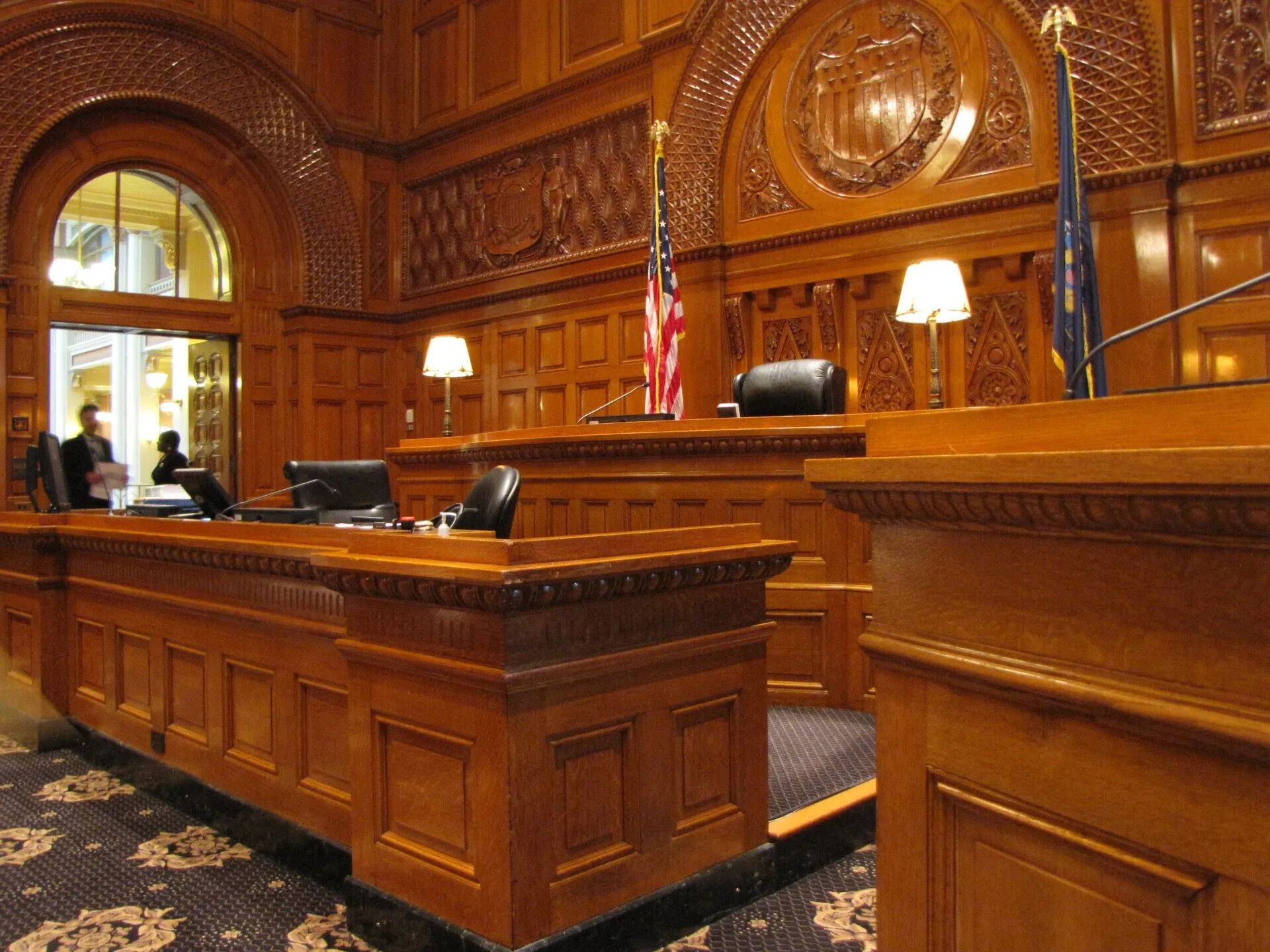
New NYS law gives consumers new rights against collectors
As of April 7, 2022, creditors are prohibited from suing or threatening to sue on a debt older than three years, down from six years Good news for consumers in New York State! The Consumer Credit Fairness Act of 2021, which went into effect on April 7, 2022, makes important changes regarding the collection of
-

Bankruptcy can help tenants facing eviction to stay in their homes, eliminate rent arrears
On January 15, 2022, the New York eviction moratorium terminated. For many tenants who are behind in their rent across the state, this means that they are now subject to eviction by their landlords. Bankruptcy can be helpful in resolving the debt that unpaid rent has triggered. In a Chapter 7 bankruptcy, the tenant
-

Chapter 13 Debtors May Have Options When Plan Payments No Longer Feasible
During the pendency of a Chapter 13 bankruptcy, debtors may find that due to circumstances beyond their control, they are no longer able to make the requisite plan payments to the trustee. If plan payments are not made as required, the debtor will find himself the subject of a Motion to Dismiss for Failure to
-
Tax debt relief through bankruptcy discharge
One misconception about bankruptcy is that tax debts cannot be discharged. While it is true that some tax debts cannot be discharged, it is not true that all tax debts cannot be discharged. In fact, for many individuals, bankruptcy can offer taxpayers tax debt relief to years-old federal and state tax liabilities that they otherwise
